

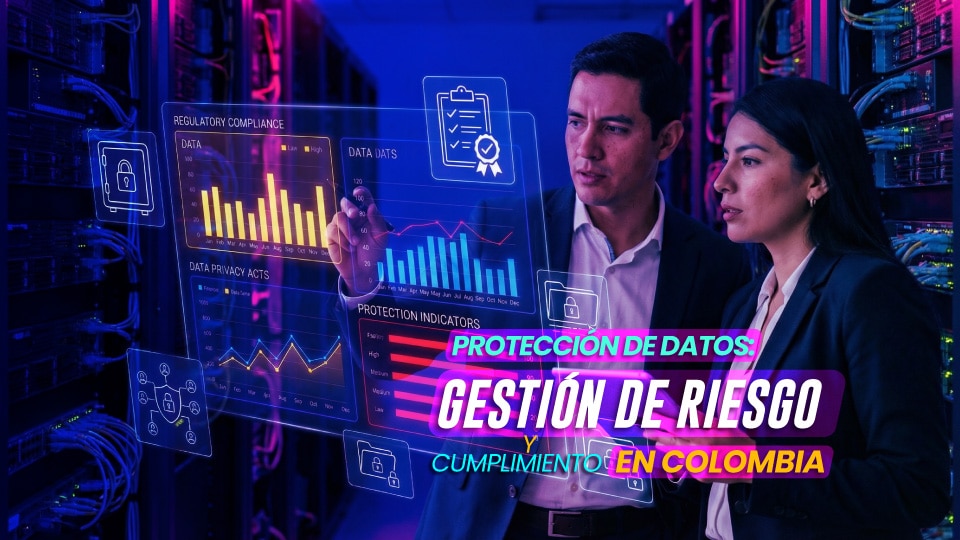
Every January, Colombia commemorates Personal Data Protection Day, a date that goes beyond regulatory compliance and has become a strategic reminder for organizations. In a context of accelerated digitalization, cloud adoption, and growing data usage, the protection of personal information has become a key pillar of trust, operational continuity, and corporate reputation.
For IT Directors and CISOs, this day represents an opportunity to assess how personal data management is integrated into cybersecurity strategy and business objectives, especially in an environment where threats and regulatory requirements continue to evolve.
Personal Data Protection in the Colombian Context
In Colombia, personal data protection is primarily regulated by Law 1581 of 2012, which establishes the principles and obligations for processing personal information. However, in practice, the challenge for organizations is not merely regulatory compliance, but doing so consistently and sustainably within increasingly complex technological environments.
The proliferation of applications, integrations, third-party providers, and hybrid work models has expanded the data exposure surface. As a result, data protection is no longer solely a legal matter, but a shared responsibility across legal, technology, and information security teams.
Privacy, Cybersecurity, and Business Risk
From a cybersecurity perspective, personal data is now one of the most attractive assets for attackers. Incidents such as data breaches, unauthorized access, or misuse of information generate not only technical impacts, but also legal, financial, and reputational consequences.
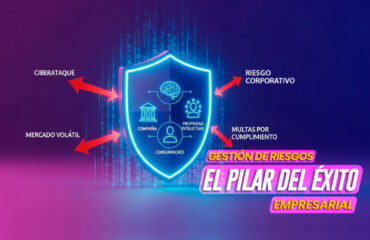
For IT leaders and CISOs, the conversation around data protection must be embedded within broader business risk management . This requires visibility into where personal data resides, how it is accessed, who uses it, and under which security controls. Alignment between privacy and cybersecurity reduces the likelihood of incidents and strengthens response capabilities when they occur.
Best Practices for Responsible Data Management
Without taking an overly technical approach, there are key practices organizations can reinforce:
- Clear data governance, with defined roles and responsibilities
- Information classificationto identify personal and sensitive data
- Access controls aligned with the principle of least privilege.
- Internal awareness programs, especially for users handling personal data
- Monitoring and early detectionas part of the security operations.
These actions not only support regulatory compliance but also strengthen the organization’s overall security posture.
An Opportunity to Reinforce Trust
Personal Data Protection Day provides organizations with an opportunity to assess their maturity in privacy and cybersecurity. For IT Directors and CISOs, the challenge lies in translating this topic into strategic decisions that protect customers, the organization, and the business as a whole.
In an environment where trust is a competitive differentiator, protecting personal data is not just a legal obligation. It is an investment in resilience, reputation, and long-term sustainability.