

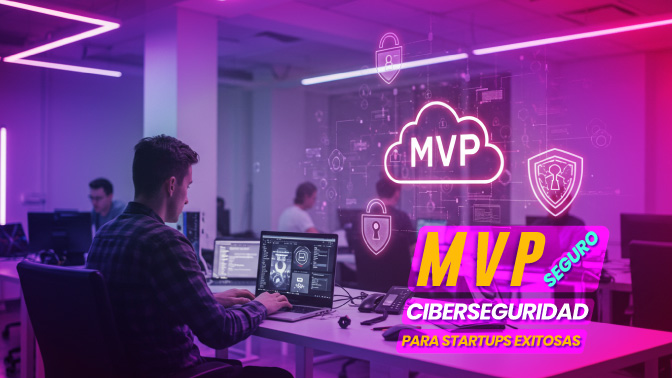
When building a tech solution, many startups turn to agile methodologies like Lean, which aim to minimize waste and maximize user value through rapid iterations and constant improvement based on market feedback. Within this framework, the Minimum Viable Product (MVP) becomes the most basic and functional version of a product, designed specifically to validate ideas and meet real user needs quickly and cost-effectively.
While this approach enables agile progress, many startups underestimate the importance of integrating cybersecurity practices from the earliest stages of development—exposing both the organization and its users to significant risks. According to a Google report on cybersecurity for small businesses, the average cost of a cyberattack can exceed $37,000 USD, and in some cases, it can lead to the permanent closure of the company within just a few months.
Below are three key risks to consider when building your MVP—and how to effectively manage them:
1. Sensitive Data Leakage
From the moment your application or platform becomes accessible to users, it begins storing data that may be highly confidential. Without basic controls in place from the start—such as data encryption or clear access policies—sensitive information may be exposed to theft or unauthorized access, resulting in financial losses, reputational damage, and legal consequences.
2. Vulnerabilities in the Source Code
In the race to quickly launch a functional MVP to market, it’s common for developers to overlook critical vulnerabilities in the code. These gaps can turn into backdoors, enabling external attacks that compromise the integrity of the application and put both user security and the startup’s reputation at risk.
3. Denial-of-Service (DDoS) Attacks
Startups often rely on cloud infrastructure to scale quickly and handle high demand. However, without proper controls, these environments can be vulnerable to Denial-of-Service (DDoS) attacks or uncontrolled spikes in resource consumption. This may lead to service disruptions or unexpected increases in infrastructure costs.
🔐 What Can You Do to Protect Your Startup?
Incorporating cybersecurity as a strategic pillar from the very beginning of your project is essential. Here are some practical, concrete actions you can implement in your startup from day one:
- ✅ Conduct threat modeling from the product’s conception: Identify potential threats early and manage risks proactively, enabling informed decision-making throughout MVP development.
- ✅ Use automated security analysis tools throughout the development process: Detect and fix vulnerabilities before they become real problems. Complement this with manual expertise through penetration testing and ethical hacking exercises.
- ✅ Continuously train your team on updated cybersecurity practices: Raise awareness across the organization about the importance of protecting information and systems from day one.
The safety of a startup should not be seen as an additional expensebut as a strategic investment essential for your sustained growth. Adopting an organizational culture oriented to the digital security from the beginning will allow the innovation, the value of the product and the trust of users and investors remain intact against potential threats.